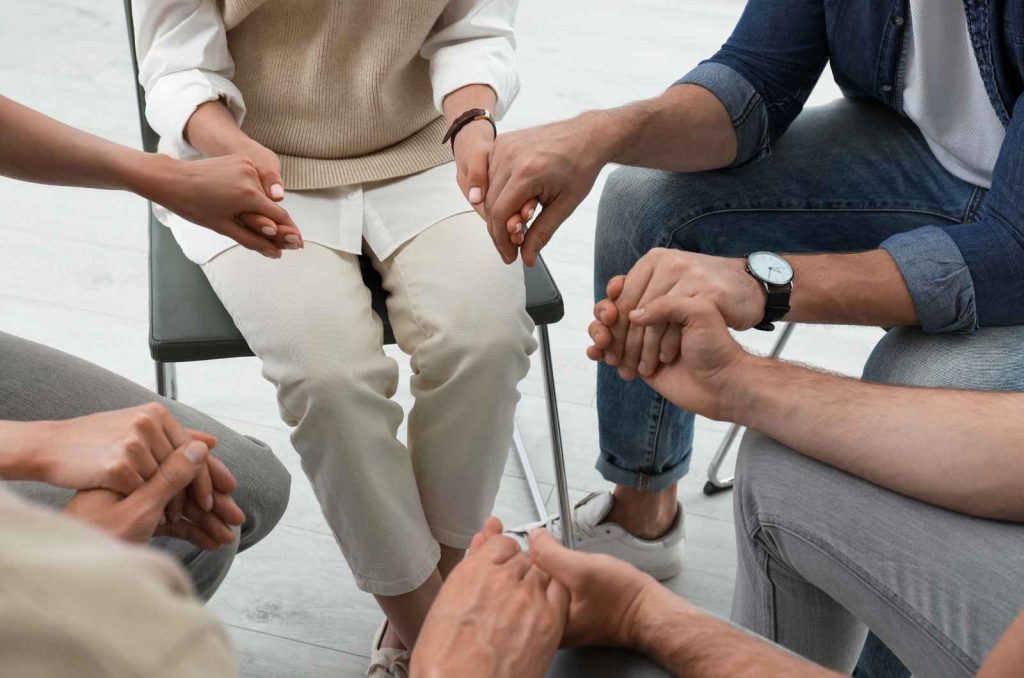
Residential rehabilitation for young people is an intensive treatment program in which the individual lives at a specialist center for a defined period typically between four weeks and several months receiving comprehensive care that includes individual therapy, group therapy, family involvement, and structured therapeutic activities. This approach is designed for situations where outpatient treatment is insufficient to create lasting change.
?When Is Residential Rehabilitation the Right Choice
Residential rehabilitation is recommended when a young person is at risk of harming themselves; has not responded to outpatient therapy; is in active addiction; displays dangerous self-directed behaviors; or when the home environment itself is a significant risk factor for continued deterioration. Removing the individual from a familiar environment that may contain embedded triggers allows new behavioral patterns to form without constant interference from the outside world.
?What Does a High-Quality Residential Program for Young People Include
An effective residential program includes a thorough individual assessment, a fully personalized treatment plan, regular individual therapy sessions, group therapy, structured family involvement, academic continuity to support ongoing education, life skills development, and a defined transition plan for after discharge. The Substance Abuse and Mental Health Services Administration identifies three core dimensions of effective programs: treating the addiction or mental health disorder itself, addressing the underlying causes, and building life skills for sustained recovery.
?Why Does Separating Age Groups Matter in Residential Treatment
Teenagers aged 16 to 18 and young adults aged 19 to 25 face different developmental challenges and therapeutic needs. Programs that separate these groups can calibrate language, clinical examples, the depth of work on identity and relationships, and the balance between independence and structure to each age cohort. In mixed-age programs, there is a risk that younger adolescents are exposed to content or dynamics that are developmentally inappropriate.
?What Does a Typical Day in Residential Rehabilitation Look Like
A structured day in a quality youth residential center typically includes a group morning meeting, individual and group therapy sessions, physical activity, life skills workshops, mealtimes shared communally, and structured free time. The predictability of a clear daily routine and defined external boundaries is itself a therapeutic tool it rebuilds a sense of safety and self-regulation for young people whose lives have often been characterized by chaos and unpredictability.
?What Factors Predict Long-Term Success After Residential Treatment
Research consistently shows that treatment duration is among the strongest predictors of outcome: programs of 12 weeks or longer produce significantly higher success rates than shorter interventions. Other critical factors include active family involvement, a structured post-discharge transition plan, continued contact with the therapeutic team in the immediate period after leaving, and connection to a community support network that sustains the gains made during residential care.
?What Are the Specific Advantages of Residential Rehabilitation Abroad
Rehabilitation in another country provides separation from the familiar environment and its associated triggers, exposure to a different landscape and culture that can support the psychological experience of rebuilding, and access to a wider range of therapeutic approaches. It is particularly appropriate when the home environment itself is a significant risk factor, or when the young person needs a complete break from the social dynamics that have sustained the addictive or self-destructive pattern.
About Holina Village Cyprus
Holina Village Cyprus is a residential rehabilitation program in Cyprus for young people aged 16 to 25, offering a minimum stay of four weeks with a recommended duration of twelve weeks. Every resident receives a personalized treatment plan, regular family therapy, academic support, and a structured transition plan on discharge. The clinical team specializes in addiction, trauma, anxiety, depression, and self-harm.
A high-quality residential program for young people is an investment in the future. With the right center, genuine therapeutic commitment, and active family involvement, the prospect of full and lasting recovery is real and life beyond addiction or crisis is entirely achievable.
Visit the business website using the attached link: holinacyprus.com